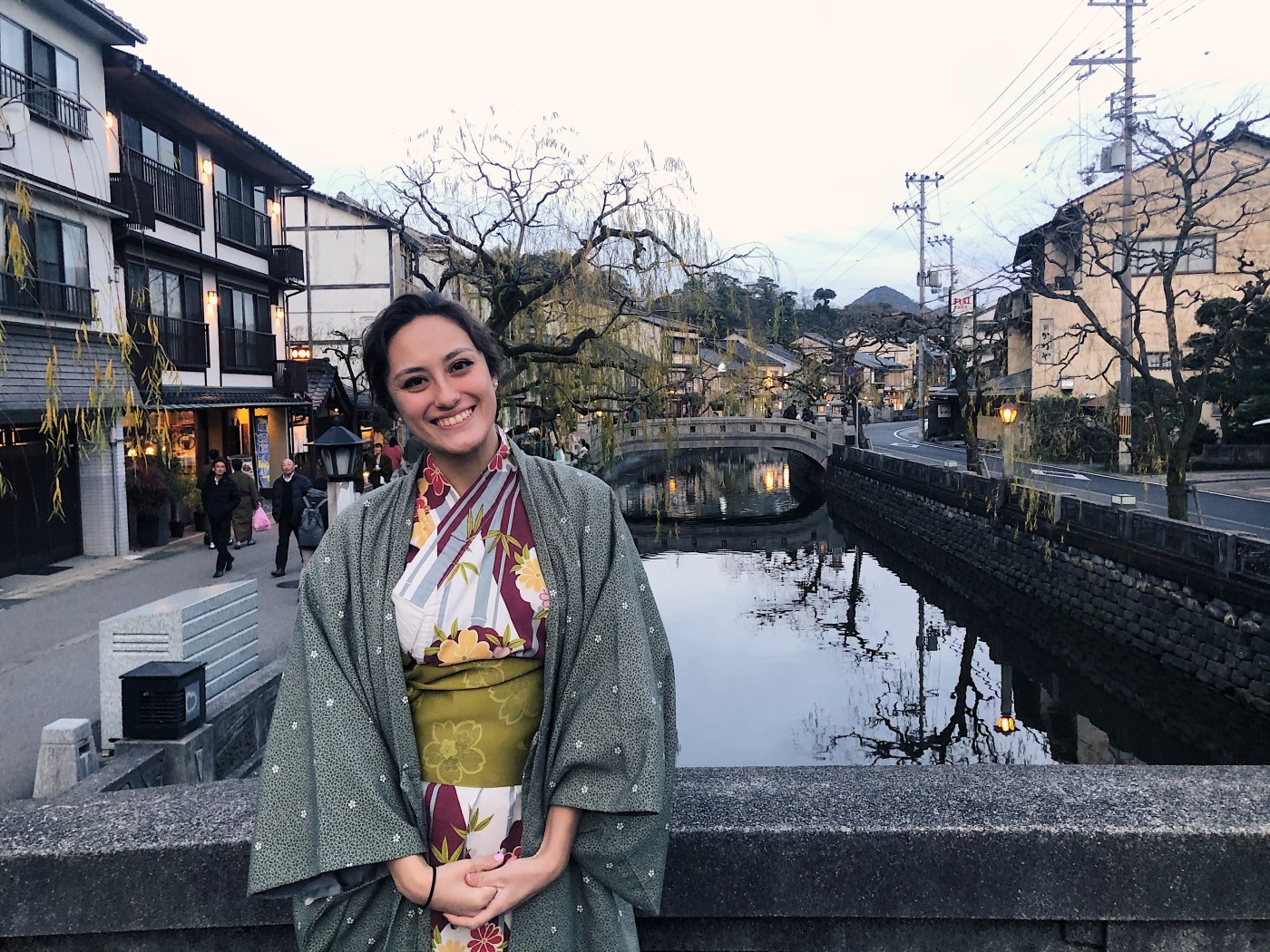
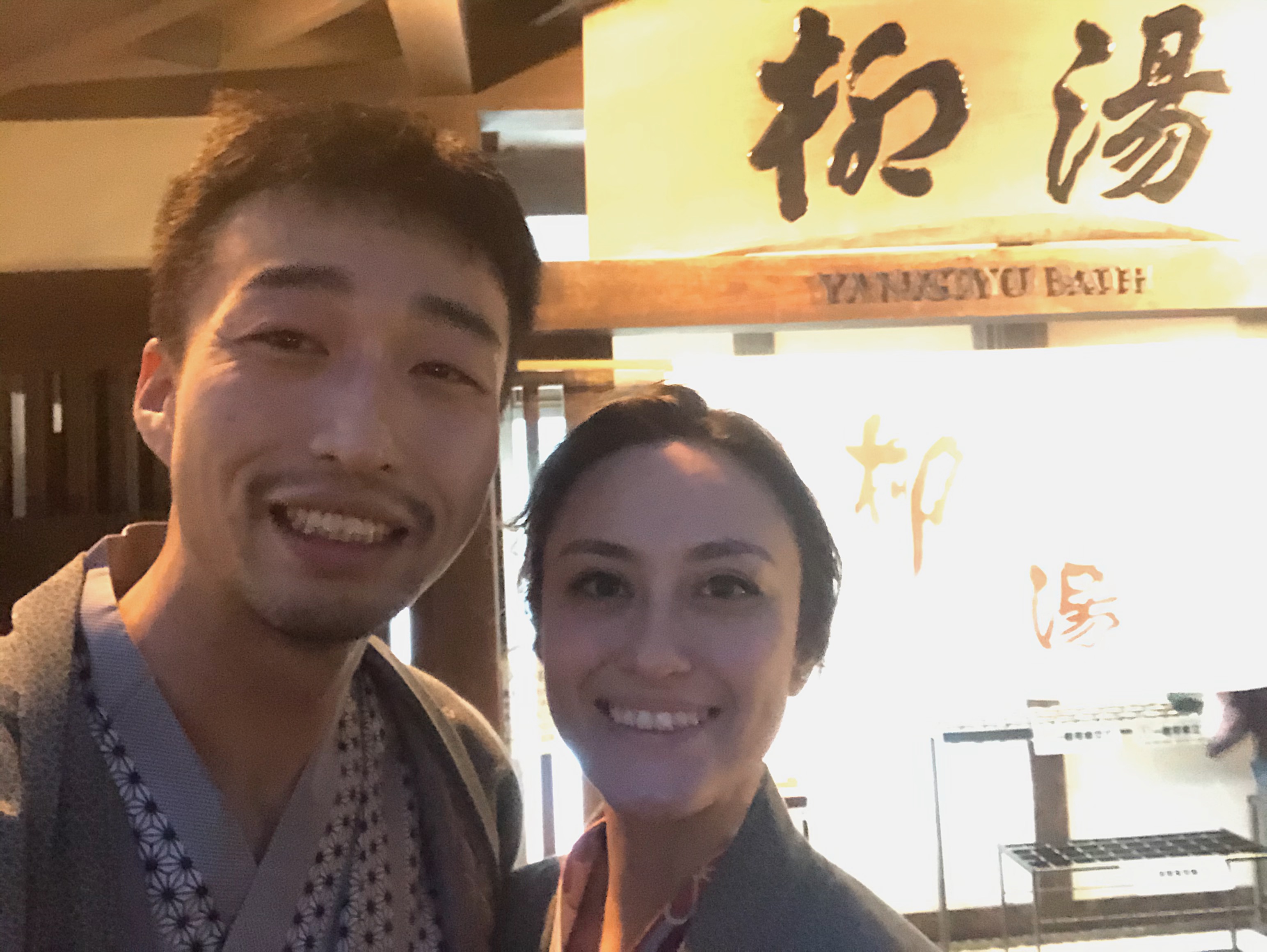
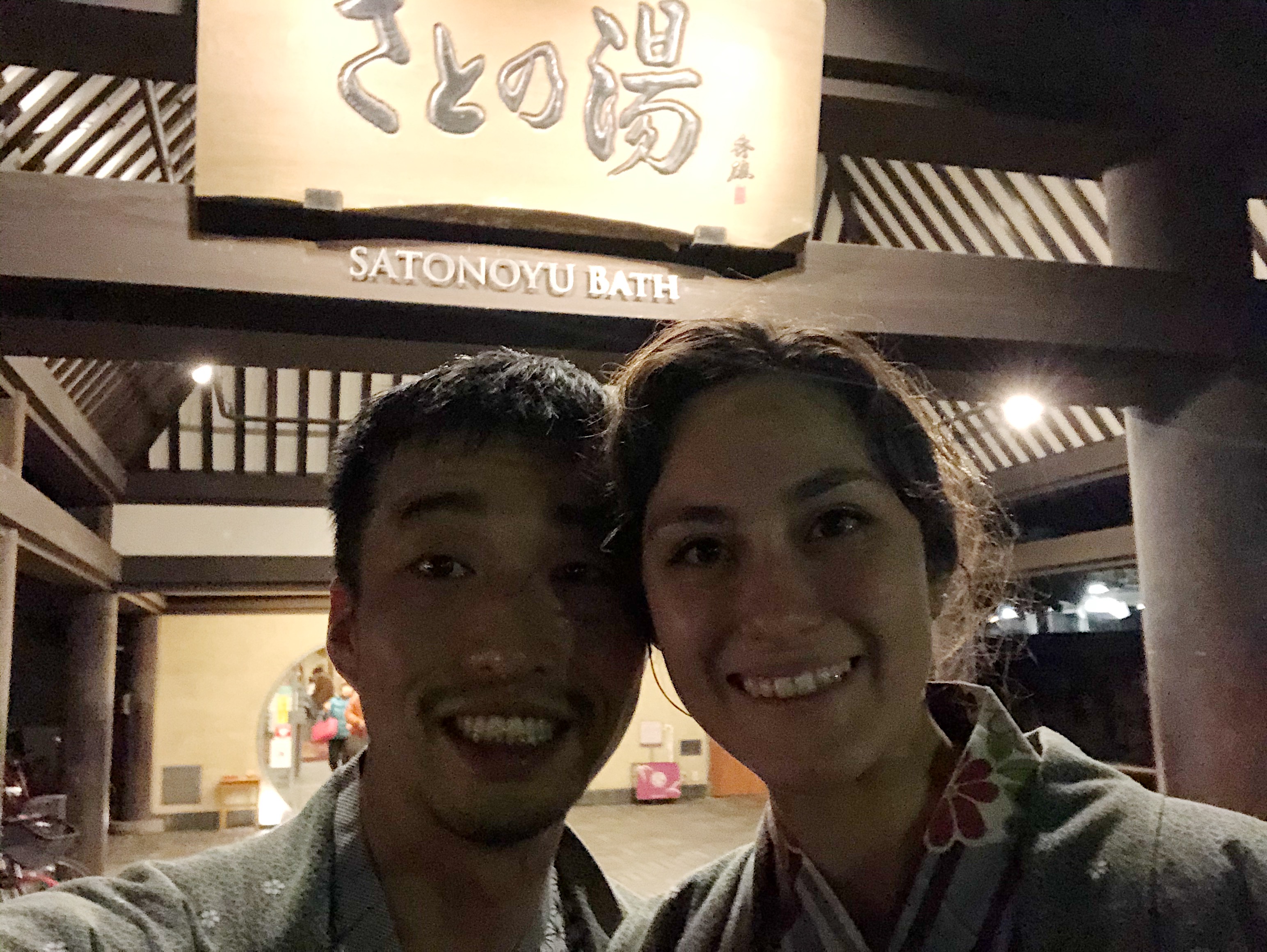
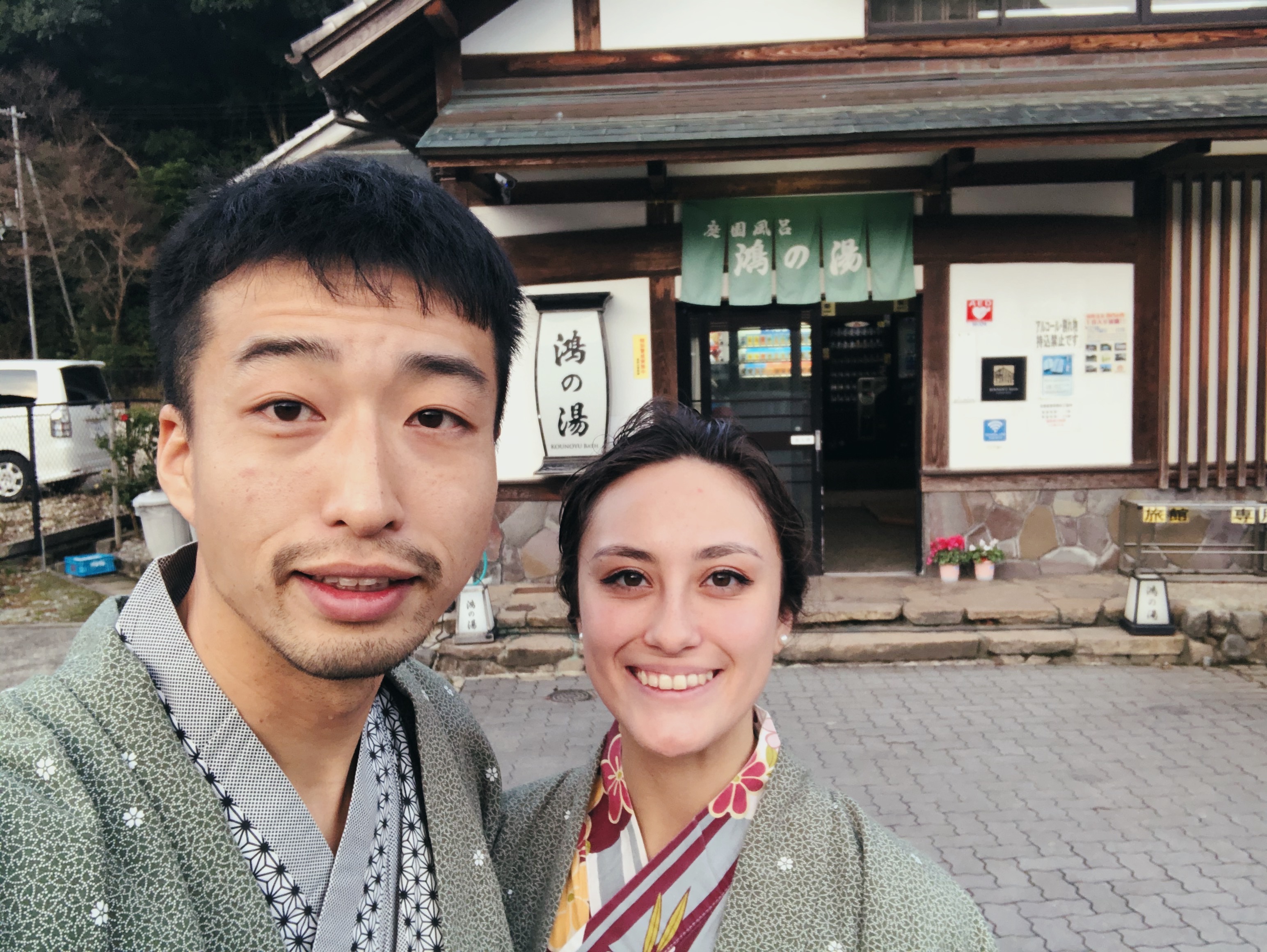
Hot springs, or onsen, are a noteworthy aspect of Japanese culture, and Japan is home to thousands of hot springs due to the volcanic nature of the island. I have been fortunate enough to visit Japan’s hot springs, and my most recent visit with Yuki to the onsen in Kinosaki proved to be quite pleasurable. Kinosaki is located only about 3 hours from Kyoto in Hyogo prefecture, placing it in an ideal location for those already sightseeing in Kyoto. Kinosaki is home to 7 public onsen and is actually tattoo friendly. When we visited, three of the onsen were closed, but we were able to visit 3 of the 4 available, Kouno-yu, Satono-yu, and Yanagi-yu. Admission to each spring is about 700-800 Yen, but it is possible to purchase a pass to all of the onsen for about 1300 Yen, which is what we did. Since Kinosaki is a small town, all of the onsen are at walking distance from each other. It felt really nice to leave the hot onsen and walk around in the fresh air on our way to the next one.
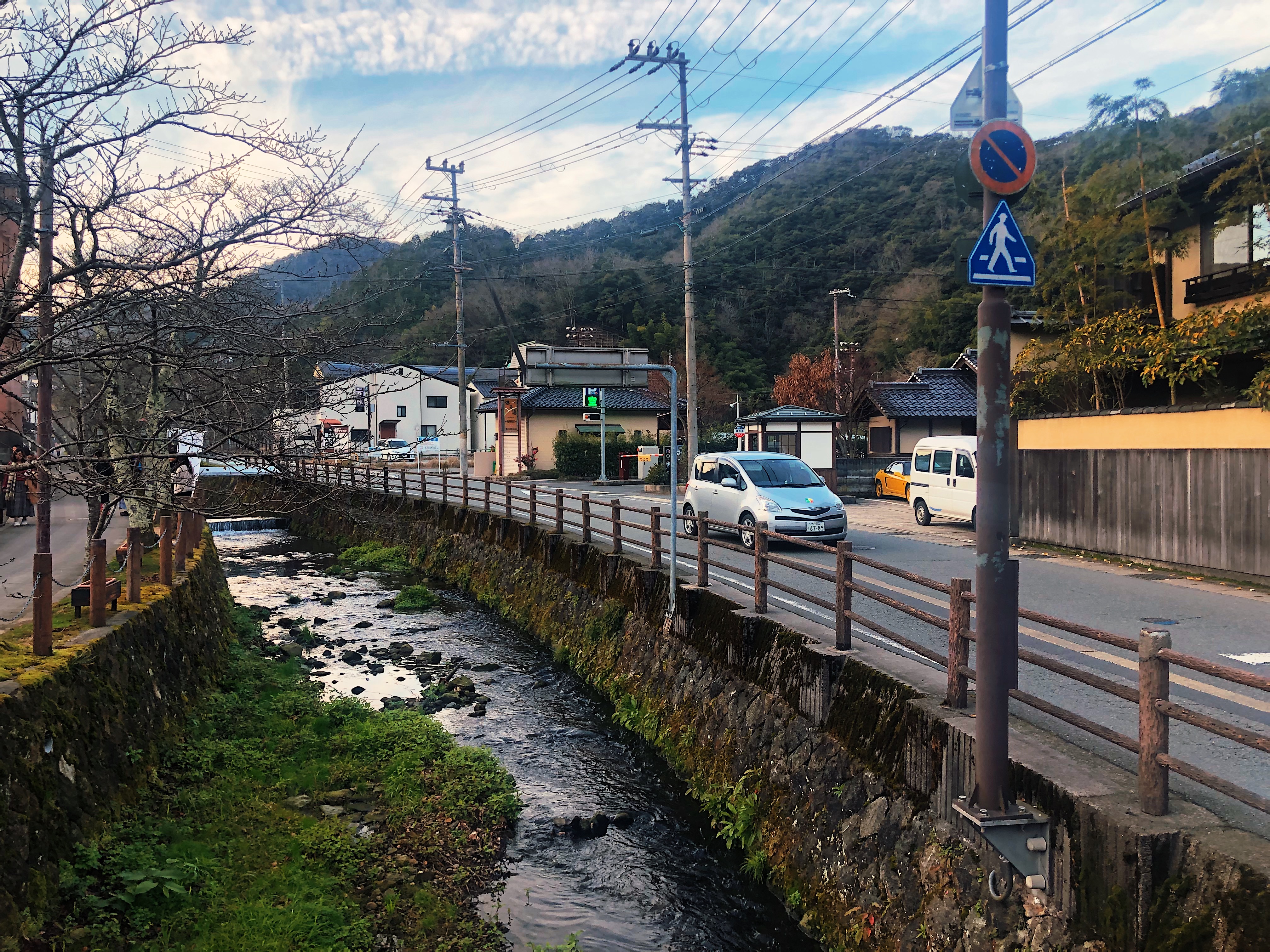
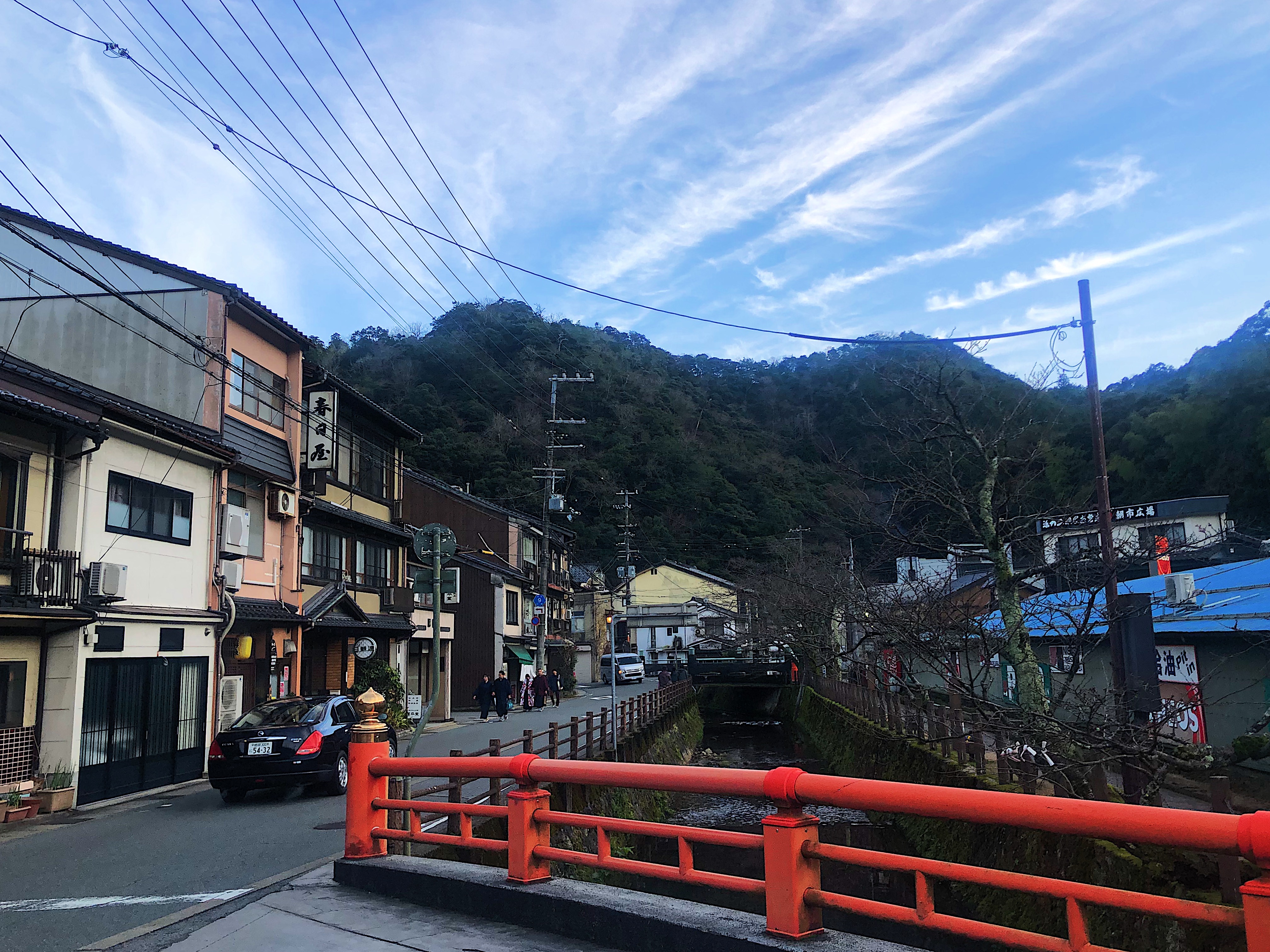
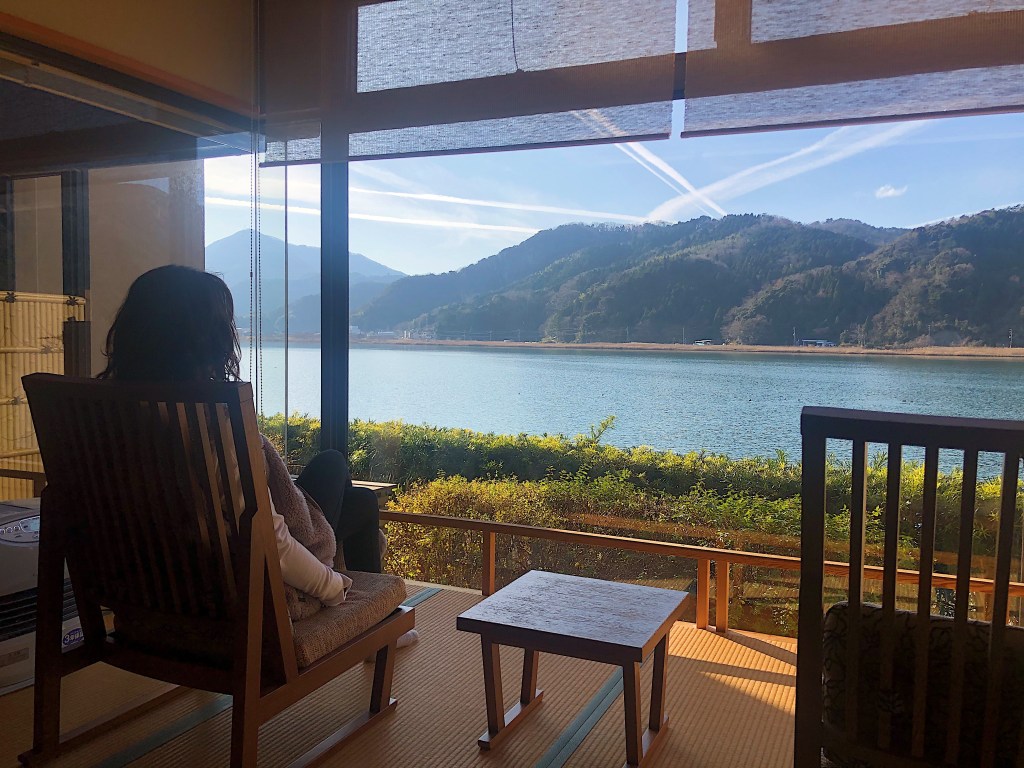
We stayed in a ryokan called Maruyama Onsen Ginka, which, as the name implies, is right on the banks of the Maruyama river. Our room was a traditional japanese room with views to the river; the bathroom also had a wooden bathtub with a large window with a river view. The ryokan was quiet and peaceful. Although it was on the outskirts of the town, it did offer transportation to the town so we could visit the onsen without having to worry about how to arrive.


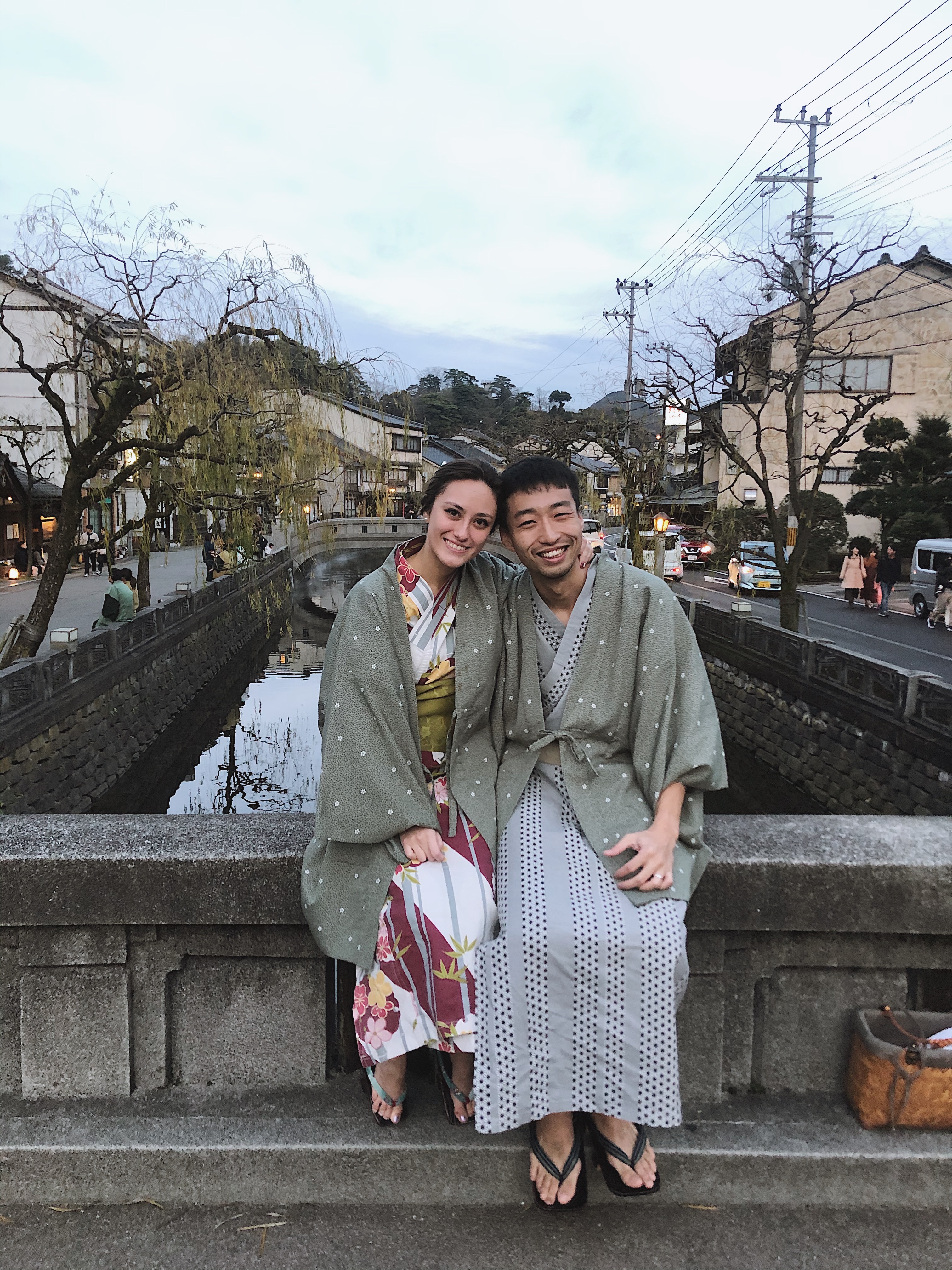
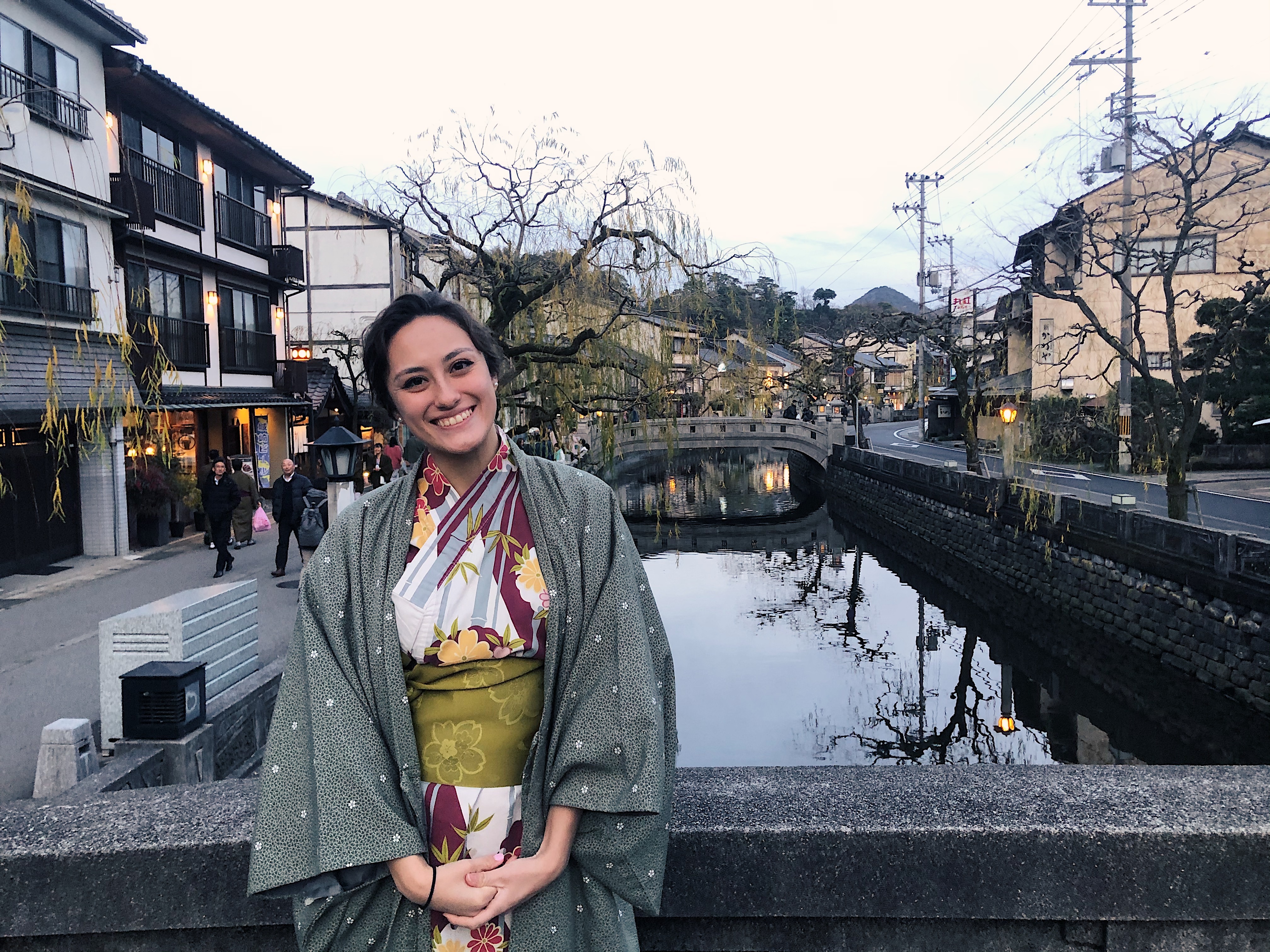
After checking in at the ryokan, we chose our yukata (traditional japanese attire) and went back to our room to change. The yukata is worn by wrapping the left side over the right side and then wrapping the sash around. On women, the sash sits on the waist, and on men the sash sits on the hips. Wearing the yukata is definitely easier said than done, as we gave up when neither I nor my husband knew what to do with the long sash on my yukata. Thankfully, the nice staff at the ryokan were happy to help me put it on and give us a mini lesson on how to wrap the sash.


Once we were finally ready to head out, the hotel provided us with a nice basket with small and a large towel and a plastic bag for anything wet we might need to put inside of it. We headed out in our yukata and wooden geta, or traditional japanese sandals, which proved a bit difficult to walk in as I almost landed myself on the ground a few times. The hotel transported us to town in a van with another couple from the hotel and instructed us to call them when we were ready to get picked up.
Going to a Japanese hot spring can be a little nerve wracking for those who have never done it before. The onsen are separated by male and female, and before entering the male or female bath, there is usually a no-shoe reception area with lockers where you can leave your shoes and any large items you do not want to take with you to the bath. Upon entering the male or female bath, there is a locker area to leave clothes and valuables in. The first thing to do is to remove all your clothes and place them inside the locker along with your phone and wallet, and hair that is long should ideally be tied up. It is convenient to take a small towel with you to the onsen, but the towel should never be placed inside the water. The lockers have keys with an elastic so you can put the key on your wrist and take it with you to the bath. When you first go into the onsen area, there is a section with showers; it is important to remember to shower before entering the hot spring. The shower stations, which are not private, each have a small stool for you to sit on with a mirror and a set of shampoo, conditioner, and body wash at each station. After showering, you can finally enjoy the onsen for as long as you want. When getting out, you should try to dry off as much as you can with the small towel before going into the locker area and drying off well with the larger towel before getting dressed.
Our first stop was Kouno-yu bath. The indoor portion of the bath is next to large glass windows that overlook the outdoor bath, which has a natural green backdrop and is lined by stones with a nice roof. Our second stop was Yanagi-yu bath. This bath was extremely crowded. It also had no outdoor area. The water in this bath was much hotter than the other two we went to, so I was only able to stand it for a few minutes before I decided it was time to get out! Our last bath was my favorite of the three, Satono-yu. This one had multiple pools, including a cold pool and a pool with jacuzzi like massagers. It also had a lovely outdoor pool upstairs complete with a waterfall and views of the night sky.
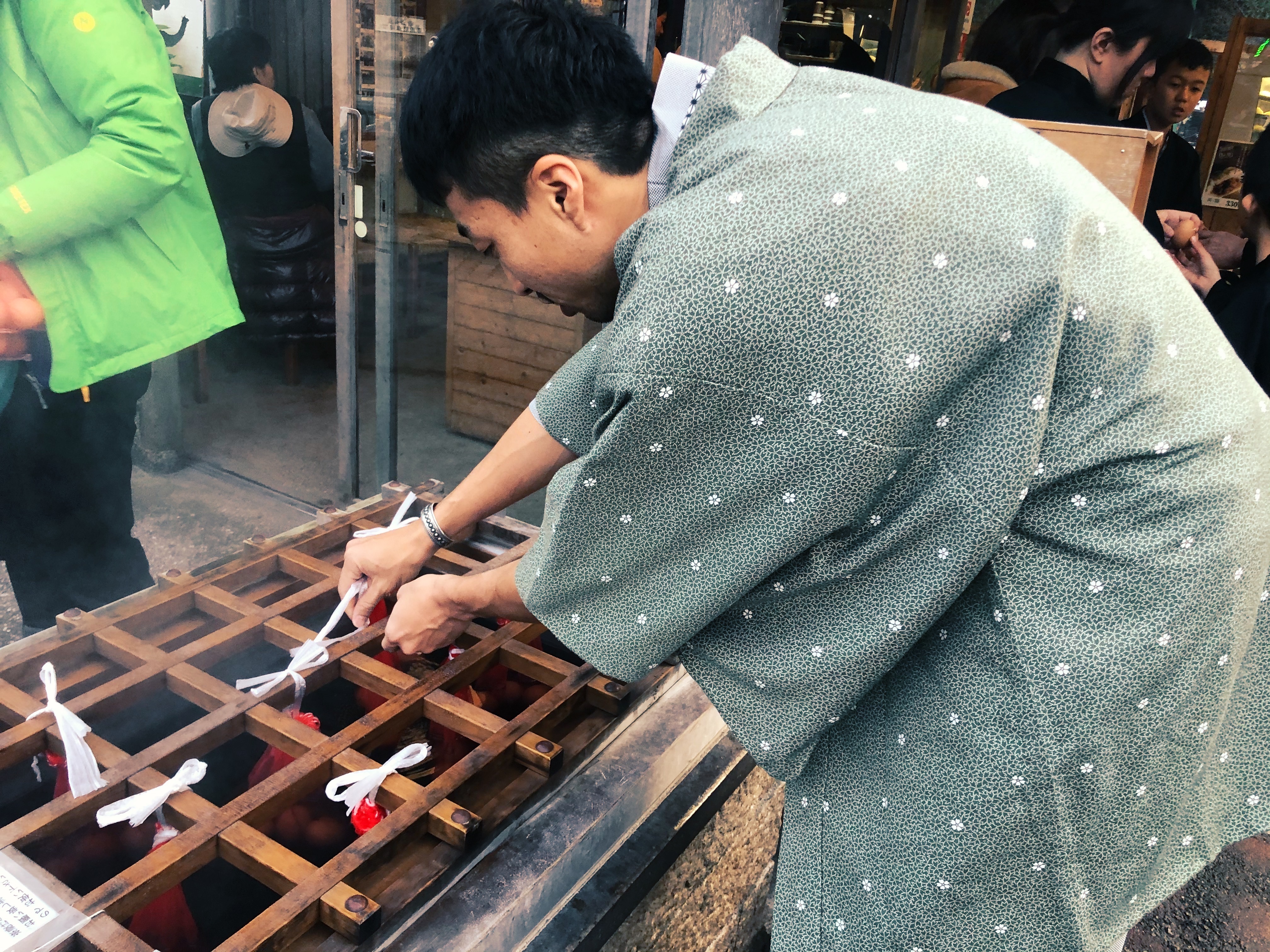
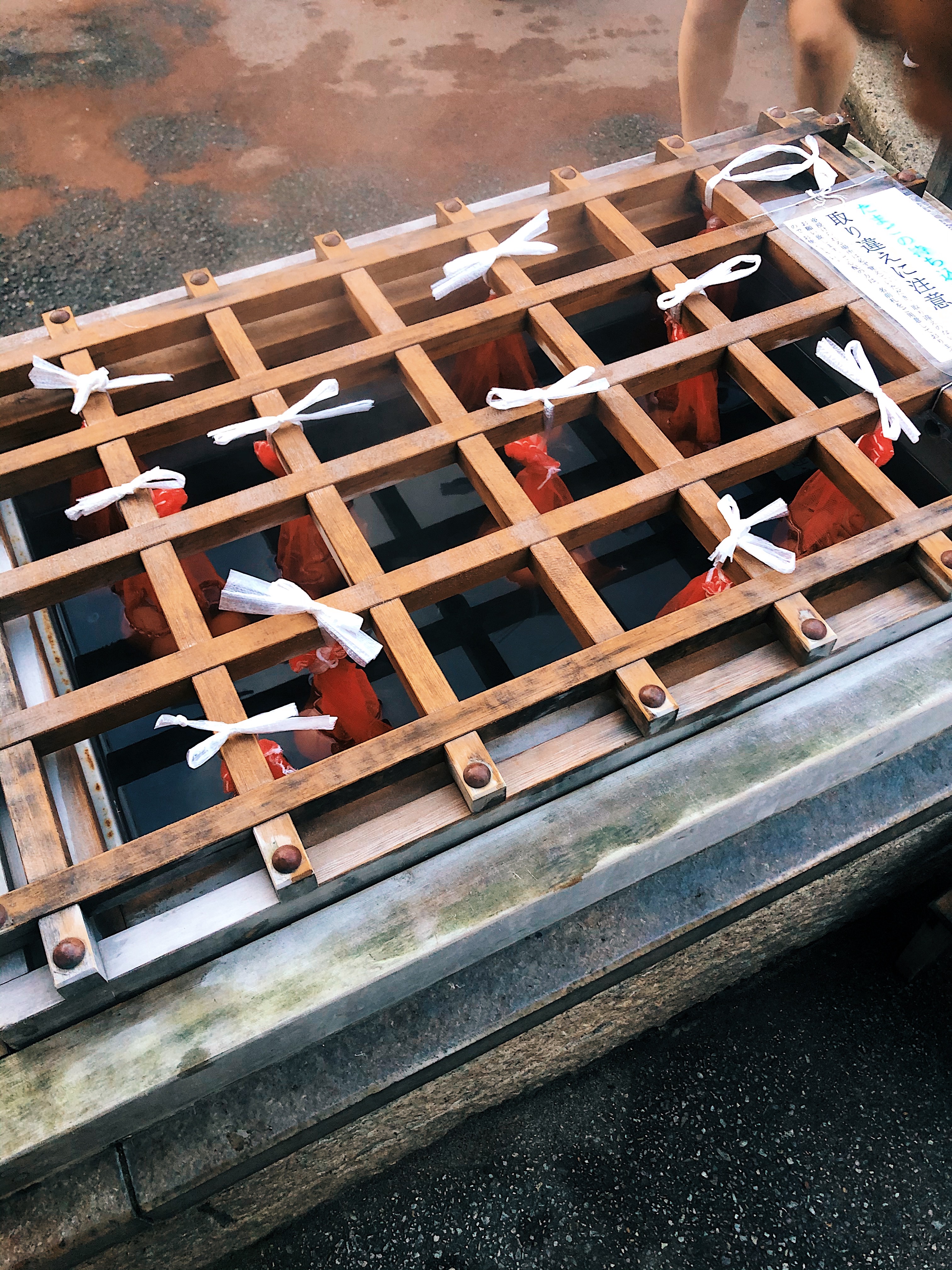
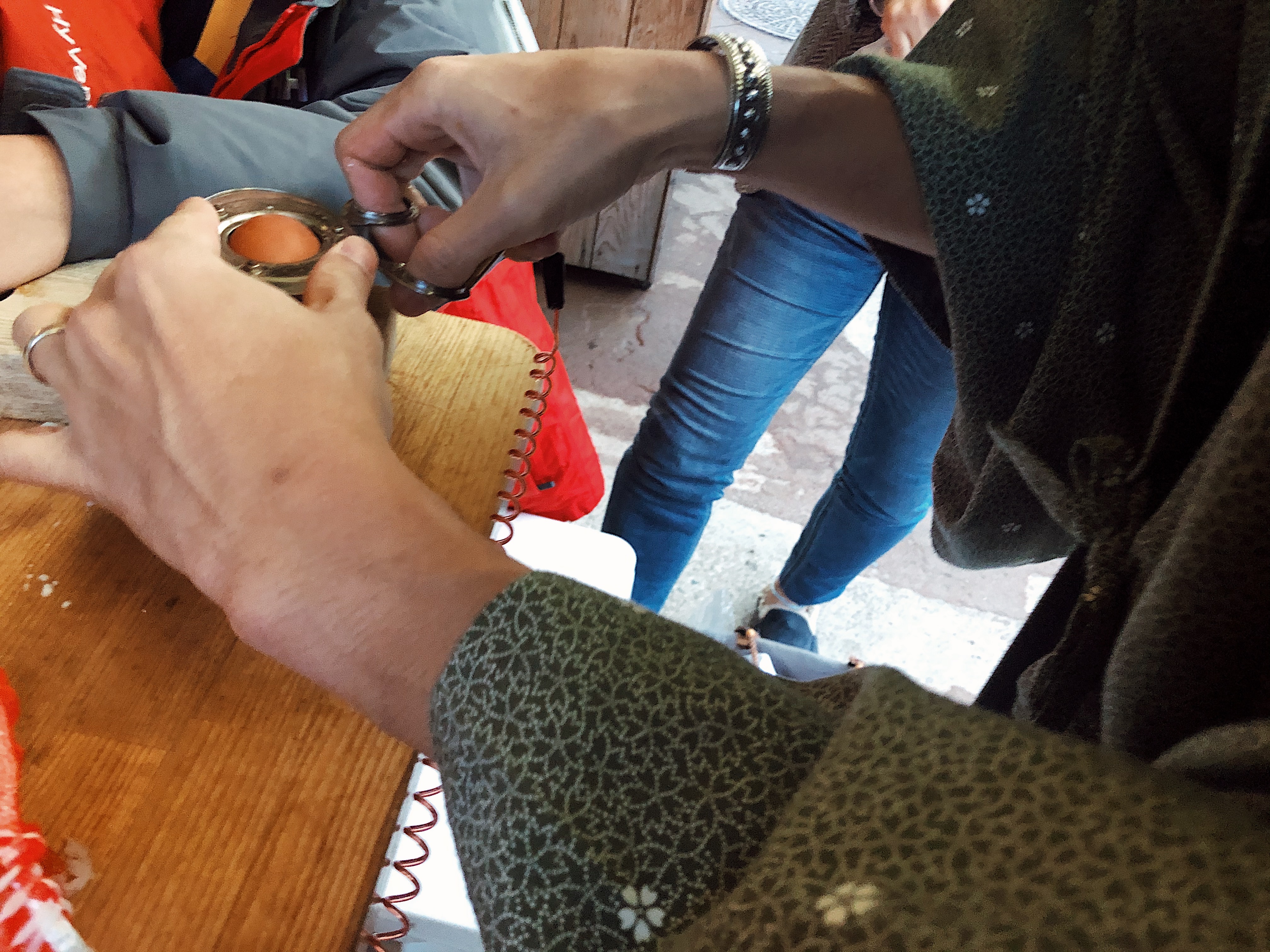
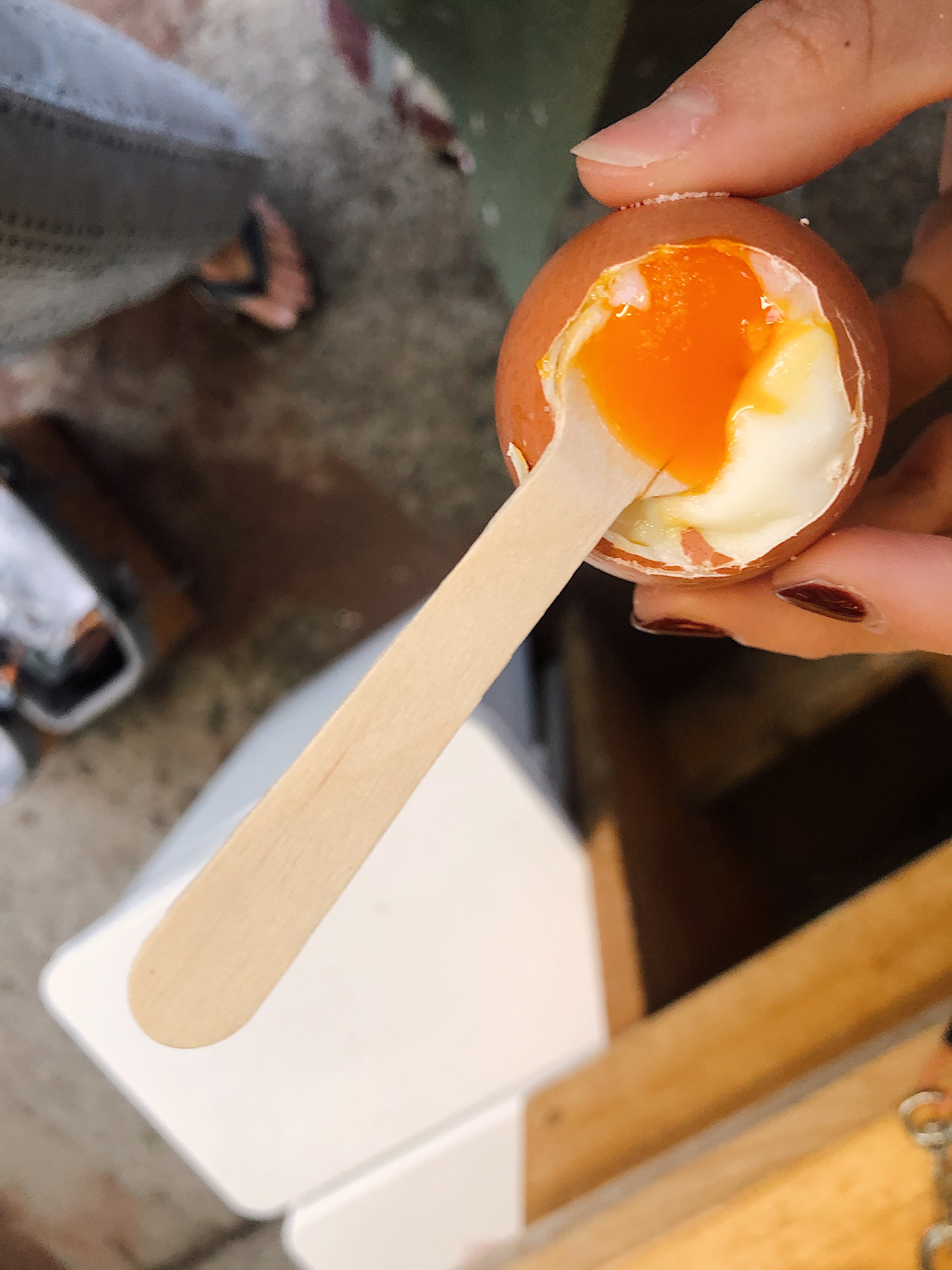
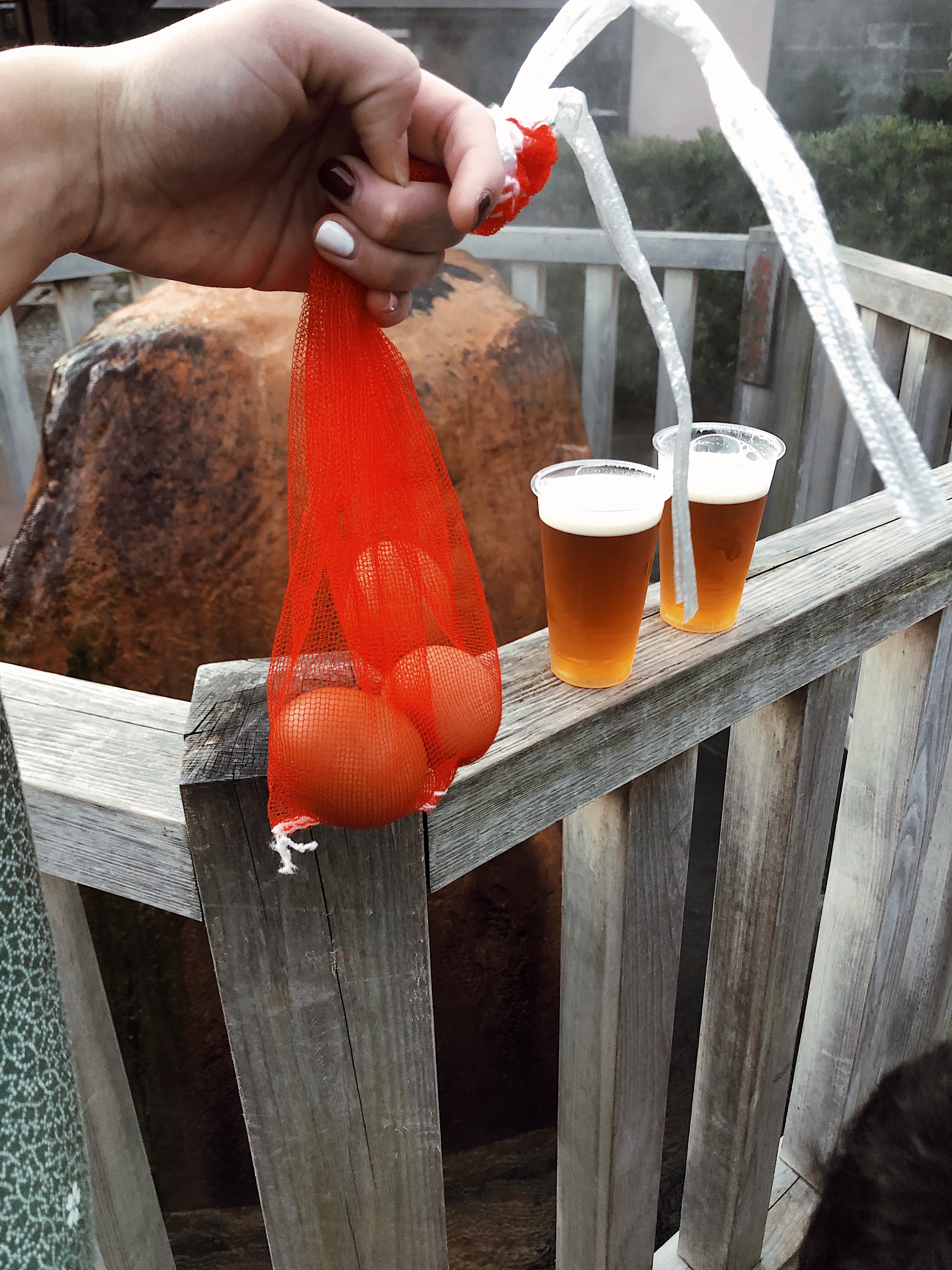
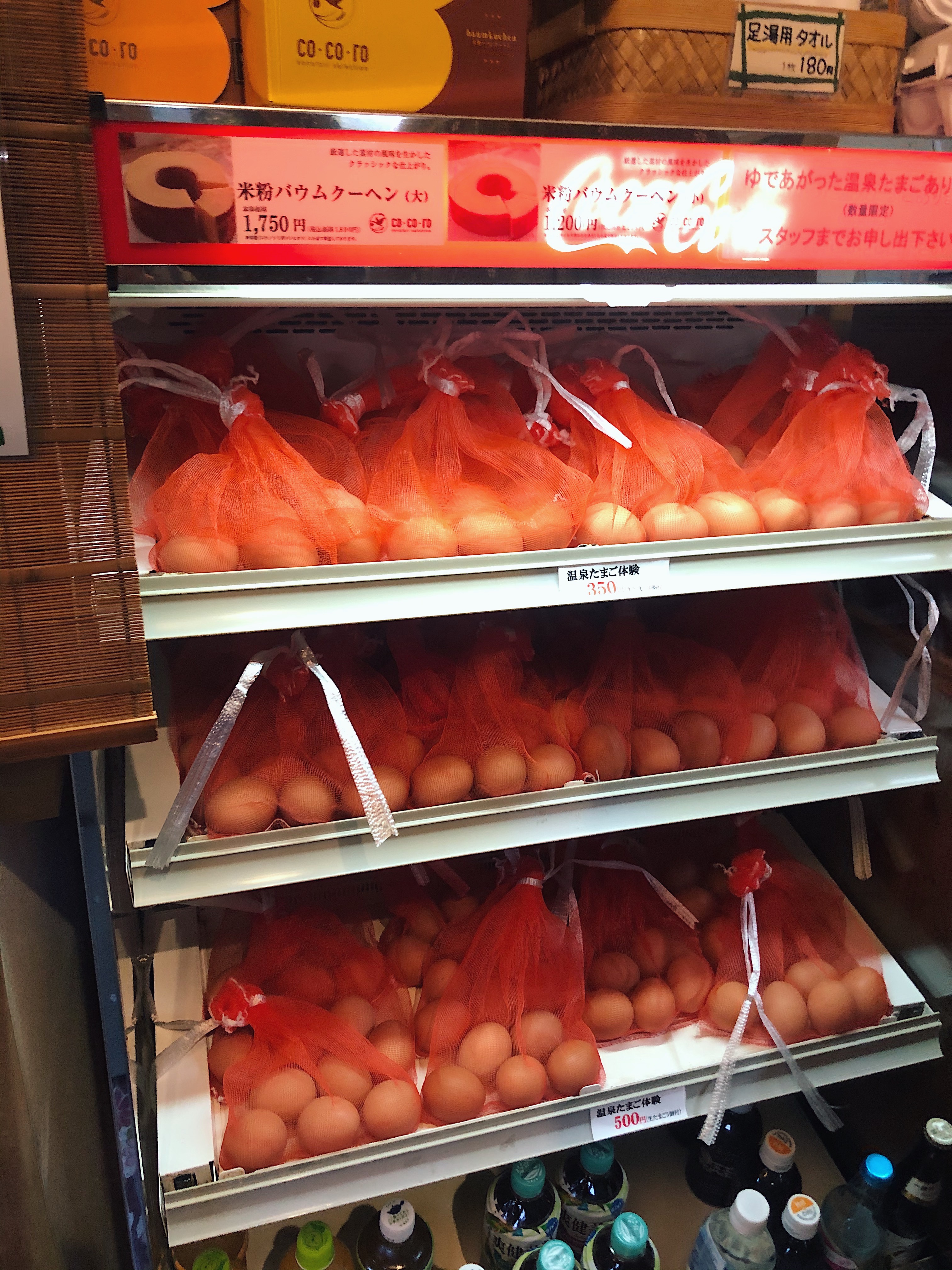
A really cool popular thing unique to the onsen experience is the onsen tamago, or hot spring egg. This is an egg that is a whole egg placed in a small hot spring for a few minutes until it cooks. While we walked around in between onsen, we stopped at a small store to buy our bag of three eggs. We then hung the bag from a wooden board (in picture below) and waited about 11 minutes for it to cook. In the meantime, we soaked our feet in a nearby footbath, which is a tiny hot spring for your feet. Once our eggs were ready, we used an instrument provided outside the store to pop off the top – it was a good thing the bag had three because we lost an egg to the ground trying to open it :(. We paired the egg with salt and a cold beer and it was simply delicious.


After the three onsen we visited, we went back to our ryokan to relax and have dinner. I was feeling very relaxed after all the soaking in the onsen and an exquisite dinner with crab as the main course really hit the spot. I was really grateful to have had the opportunity to visit one of Japan’s most popular onsen towns and would recommend Kinosaki as a great place for anyone looking to experience this side of Japan’s culture.
 vivewell
Leave a comment