
Ever since I was young, meal time has always been important. From a young age, my family would congregate in my mother’s or grandmother’s kitchen in Mexico together. We talked and laughed over delicious home cooked meals, and la hora de la comida represented the guaranteed time in the day when the family had time to spend together. The significance of this special time has continued to persist over the years. Even as my sister and I grew older and had more responsibilities, there was still a great effort to get the family together for meal time. Yet, even outside of meal time, the kitchen, as opposed to the living room, or any other room, turned into a gathering place, where my family came to talk while having a light snack or a drink. We bonded over food, and on many occasions, we shared this moment with others. We connected with our Japanese friends over dinner in Oxford when we realized that Mexican conchas and Japanese melon-pan were almost the same. We had exciting conversations about how food is prepared with our acquaintances in China. We have had great times showing our friends how to make pastes. Food has been an appetizing topic for my family and I for as long as I can remember.
Food is also a source of cultural pride. Ask anyone about the food from their country and they will answer proudly, each believing that his or her traditional food is the best. In addition, having experienced varied cuisine from different countries, cultures, and traditions can become much like having a badge of honor. Nobody likes the person who visits another country and refuses to try any of the food, but everyone likes the individual who dives into the plate of a type of food they’ve never seen before. I remember the first time I met my husband’s family and their expressions of pride and joy when I tried all the foods they ordered and prepared, and I see the same expressions on my family’s faces when Yuki really likes a type of Mexican food. Individually, each person is able to find comfort in the dishes that have been prepared from childhood, and in many cases, such dishes can summon a flood of memories. Personally, I cherish returning to Mexico for my family first, and for the food, second. However, I take great delight in tasting different foods from different countries, and would never dream of eating at McDonald’s in a foreign country!
Food is a key ingredient in the recipe of a culture. The influence of food is reflected in various ways, from the method by which a food is prepared, to the manners by which it is eaten, to the occasions during which it is eaten. When I was young child living in Mississippi, one of my father’s colleagues invited us to dinner at his home. The colleague was from India, and when dinner was ready, he and his wife proceeded to eat it with their bare hands, soup and all. At the time, we were shocked, but the reasons for doing it, it which involve tradition, practicality, a more intimate experience with food, and even health and hygiene, are actually quite captivating. Now, I have learned that this practice is also common in some countries of Africa and the Middle East. In Japan, as told by my husband, inserting a pair of chopsticks vertically into a bowl of rice is considered bad manner, stemming from the ancient tradition of performing this act at funerals. In China, meals are commonly served in large bowls on rotating platters in the center of the table, and each member of the table obtains food from each dish using provided utensils or chopsticks (a practice that proved quite frustrating, but that we learned to master in order to eat!). In Mexico, the tradition of eating Rosca de Reyes in remembrance of Three Kings Day on January 6th derives from the account in the Bible telling us of the three kings’ visit to Jesus and its significance. I could go on with a myriad of instances in which food and aspects of culture are closely intertwined.
Food is not just essential for survival, but an expression of a country’s culture, religion, and tradition. Food is also an icebreaker, a source of comfort, a demonstration of love, a means of creativity. The customs surrounding matters of food command respect and lead to understanding of a culture. One simply cannot experience a culture without thoroughly experiencing its food.

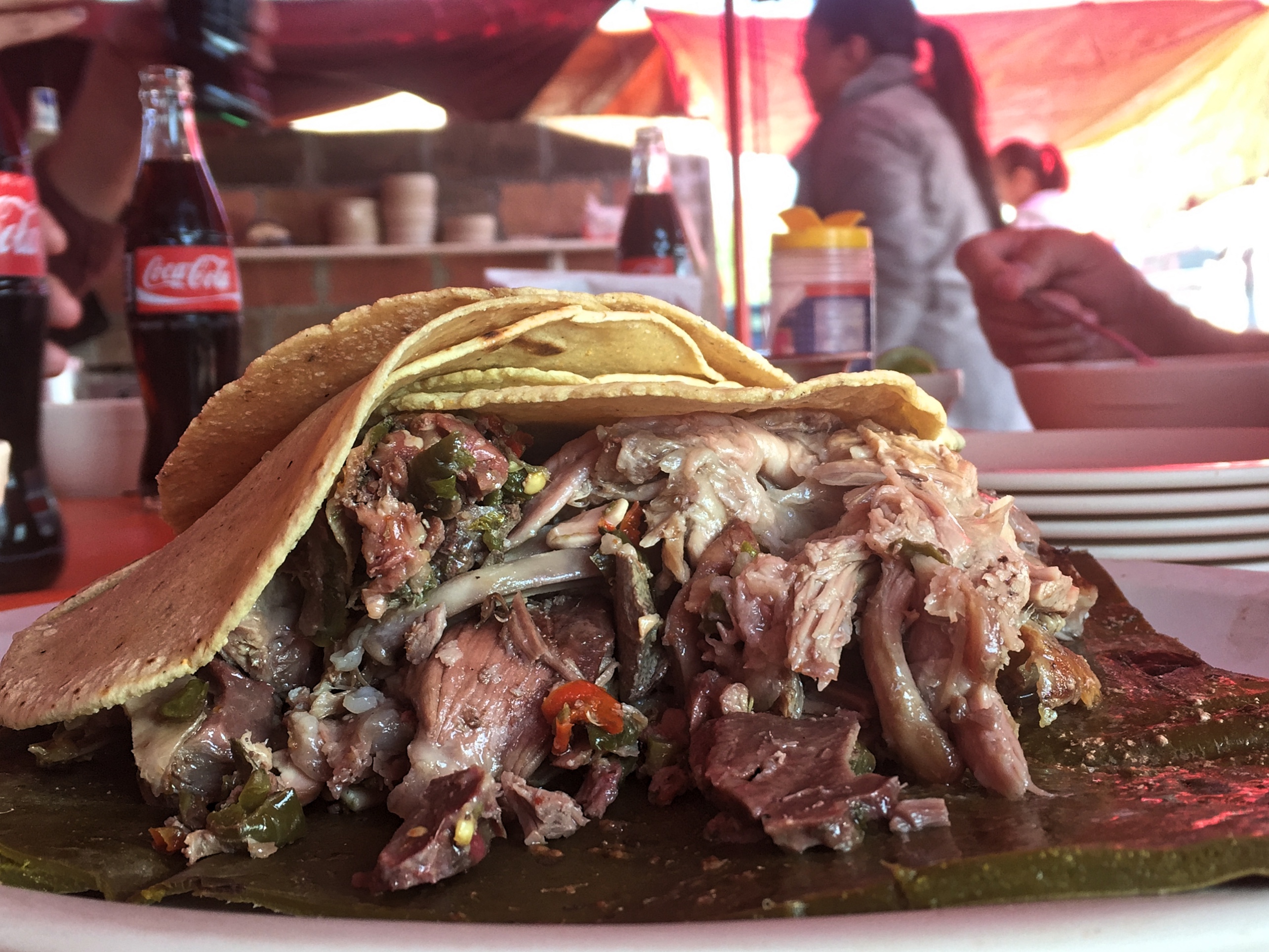
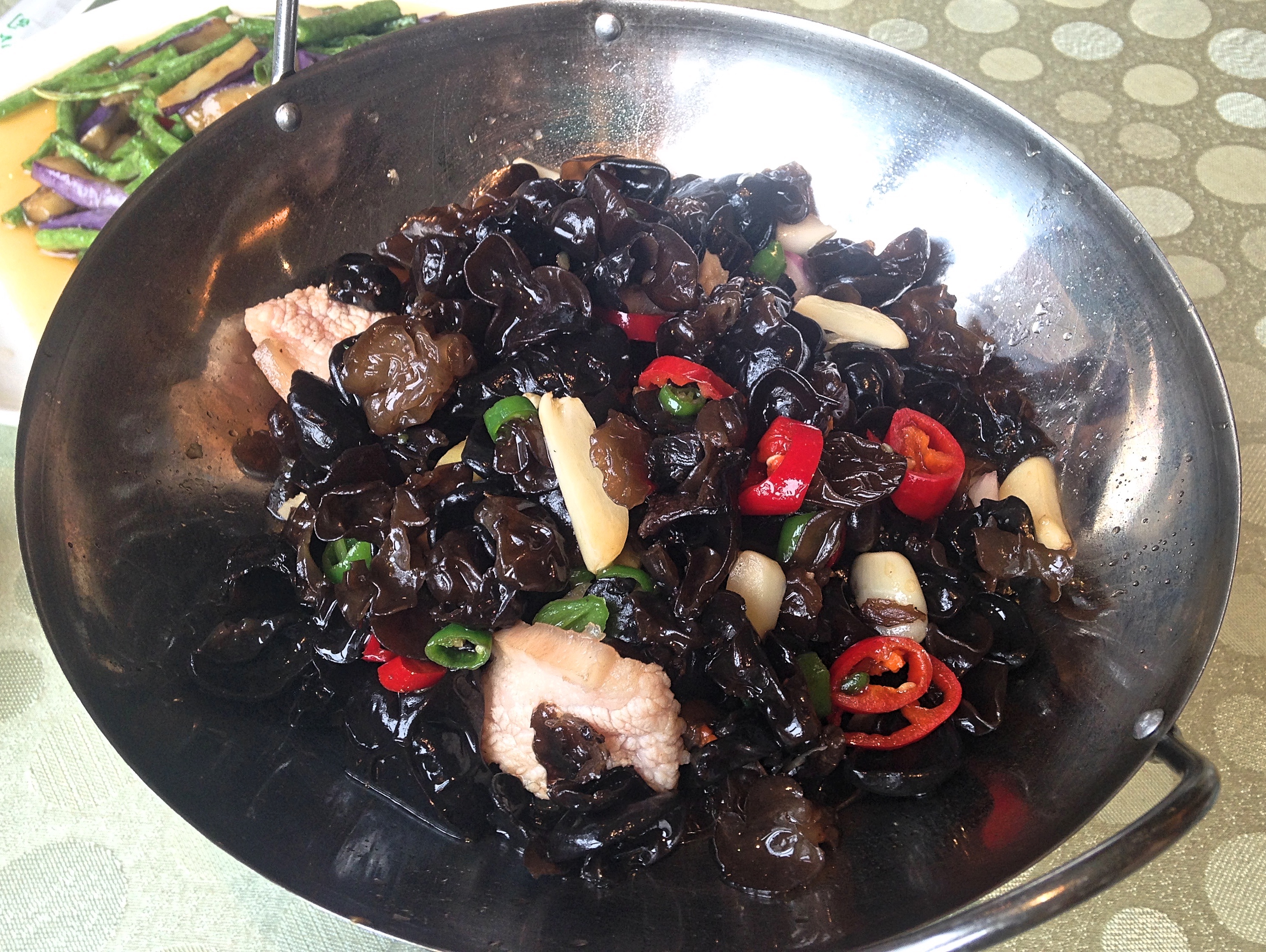


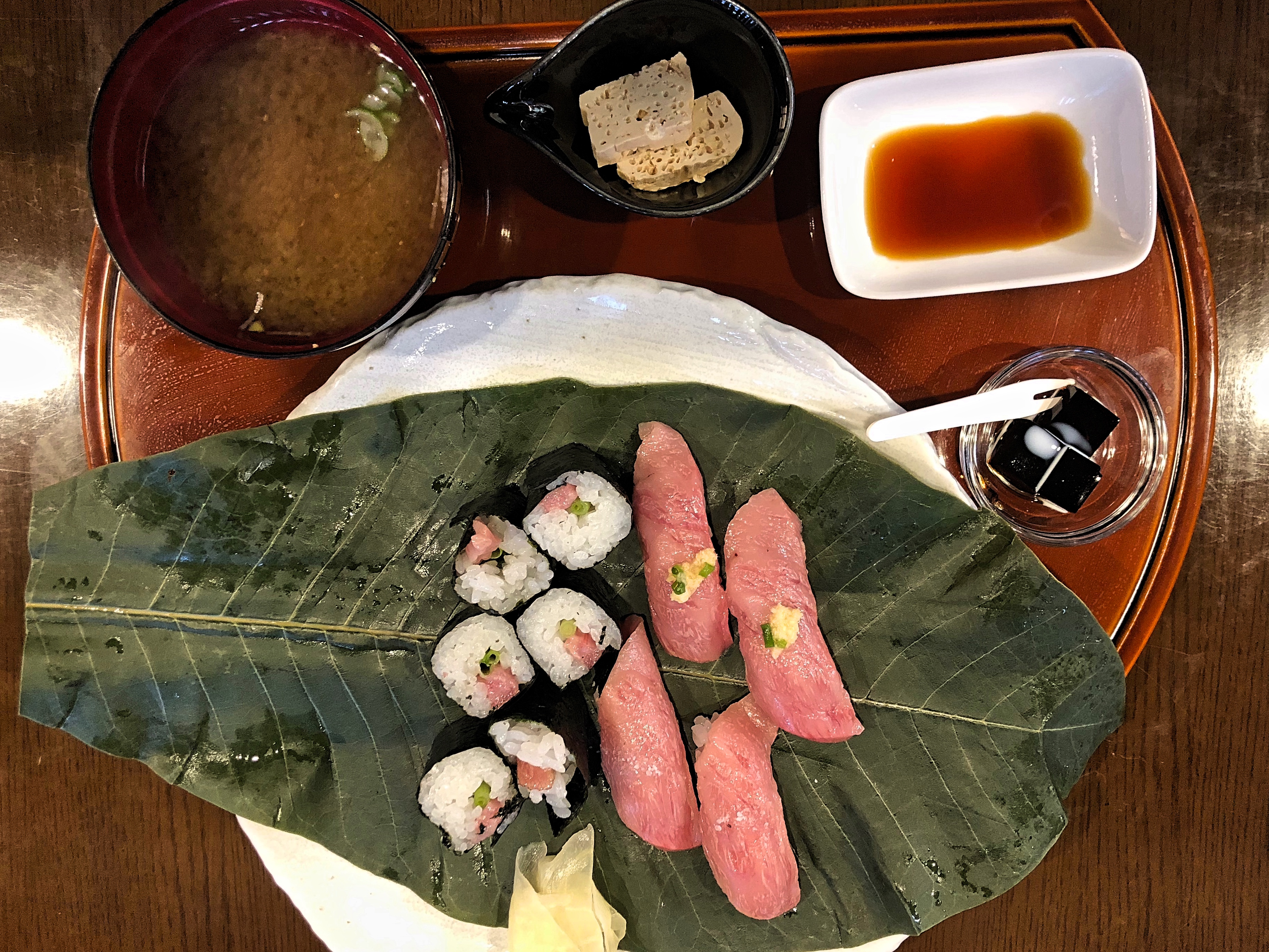

Food from left to right, top to bottom: Ethiopian cuisine in Dallas, TX, Lamb Barbacoa in Pachuca, Mexico, kikurage mushrooms in China, Hitsumabushi (grilled eel over rice) in Kuwana, Japan, Crema de Poblano in Mexico City, Kaisen Don in Sapporo, Japan, Meat Sushi, Takayama, Japan, and Tamale-making at my grandparents’ house in Pachuca, Mexico.
Cover photo: Assorted foods at a market in Cusco, Peru
Note: Although in some cases, traditional dishes compromise the specific values and ethics of different groups of people, we will not dwell on the complexities of those specific dishes today.
 vivewell
Leave a comment